Moist Spring Vanilla Layer Cake
Highlighted under: Indulgent Oven Treats
I’ve always cherished the arrival of spring, and what better way to celebrate than with a Moist Spring Vanilla Layer Cake? This cake has become a staple in my baking repertoire, offering a fluffy and tender crumb that is perfectly sweet. The vanilla flavor shines through, complemented by fresh spring berries if you choose to add them. Trust me, this cake is a crowd-pleaser for gatherings or a delightful treat for yourself any day of the week!
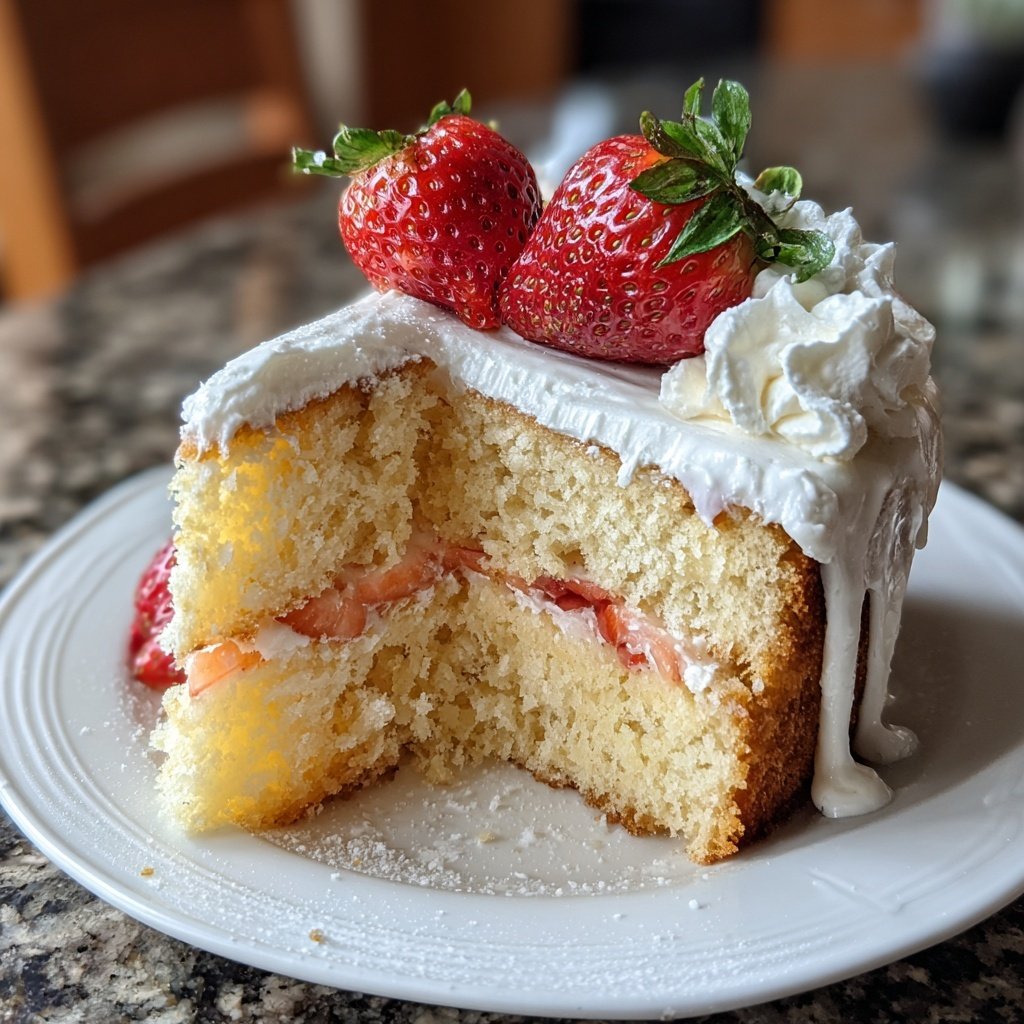
After trying countless vanilla cake recipes, I finally stumbled upon the perfect combination of ingredients that yield a moist and flavorful cake. The secret lies in using buttermilk, which not only enhances the flavor but also gives the cake that desired tenderness. I often add a splash of vanilla bean paste for an extra depth of flavor, making every bite feel indulgent and special.
This cake is incredibly versatile; I've paired it with different buttercream frostings and even fresh fruit. One of my favorite tips is to let the layers cool completely before stacking them; this helps maintain the structure and prevents any sinking. Each time I bake it, I’m reminded of the joy that comes from homemade treats!
Why You'll Love This Recipe
- Lush vanilla flavor that shines through every bite
- Soft and fluffy texture that melts in your mouth
- Perfect for any spring celebration or simply as a sweet indulgence
Understanding the Ingredients
The quality of ingredients plays a vital role in the success of your Moist Spring Vanilla Layer Cake. Use high-quality vanilla extract to ensure a robust flavor; this will make a noticeable difference compared to imitation vanilla. The butter should be softened to room temperature for optimal creaming, which incorporates air into the batter for a light texture. If you're in a pinch, you can substitute the butter with an equal amount of vegetable oil for a slightly different texture, but keep in mind that it won't have the same buttery flavor.
Buttermilk is another key ingredient in this recipe, as it adds moisture and contributes to the cake's tender crumb. If you don’t have buttermilk on hand, you can create a quick substitute by adding 1 tablespoon of lemon juice or vinegar to a cup of regular milk and letting it sit for about 5-10 minutes. This allows the milk to curdle slightly, mimicking the acidity of buttermilk. Remember that the perfect batter comes from balancing dry and wet ingredients, so measure carefully.
For the frosting, the choice of butter is equally important; unsalted butter allows you to control the overall sweetness of the cake. Ensure it’s at room temperature for easy mixing. The powdered sugar should be sifted before adding, as this prevents lumps and creates a smooth, creamy frosting. If you prefer a lighter option, consider substituting half of the butter with cream cheese for a tangy twist on the traditional frosting flavor.
Mastering the Baking Technique
When baking your cakes, be mindful of oven temperature and the placement of your pans. Always preheat your oven to 350°F (175°C) to ensure even baking and avoid any surprises. Position the cake pans in the center of the oven to ensure uniform heat distribution, and if you’re using dark pans, decrease the baking time slightly to prevent over-browning. Keep an eye on them starting at the 25-minute mark; the cakes should be golden brown and a toothpick inserted into the center should come out clean.
It's crucial to allow the cakes to cool completely before frosting. If you attempt to frost while they’re still warm, the frosting will melt and slide off, resulting in a mess. Once out of the pans, let them cool on wire racks for at least an hour. If you're planning ahead, you can bake the cakes a day in advance; simply wrap them tightly in plastic wrap and store them at room temperature to maintain freshness. When you're ready to frost, just remove the wrap and assemble.
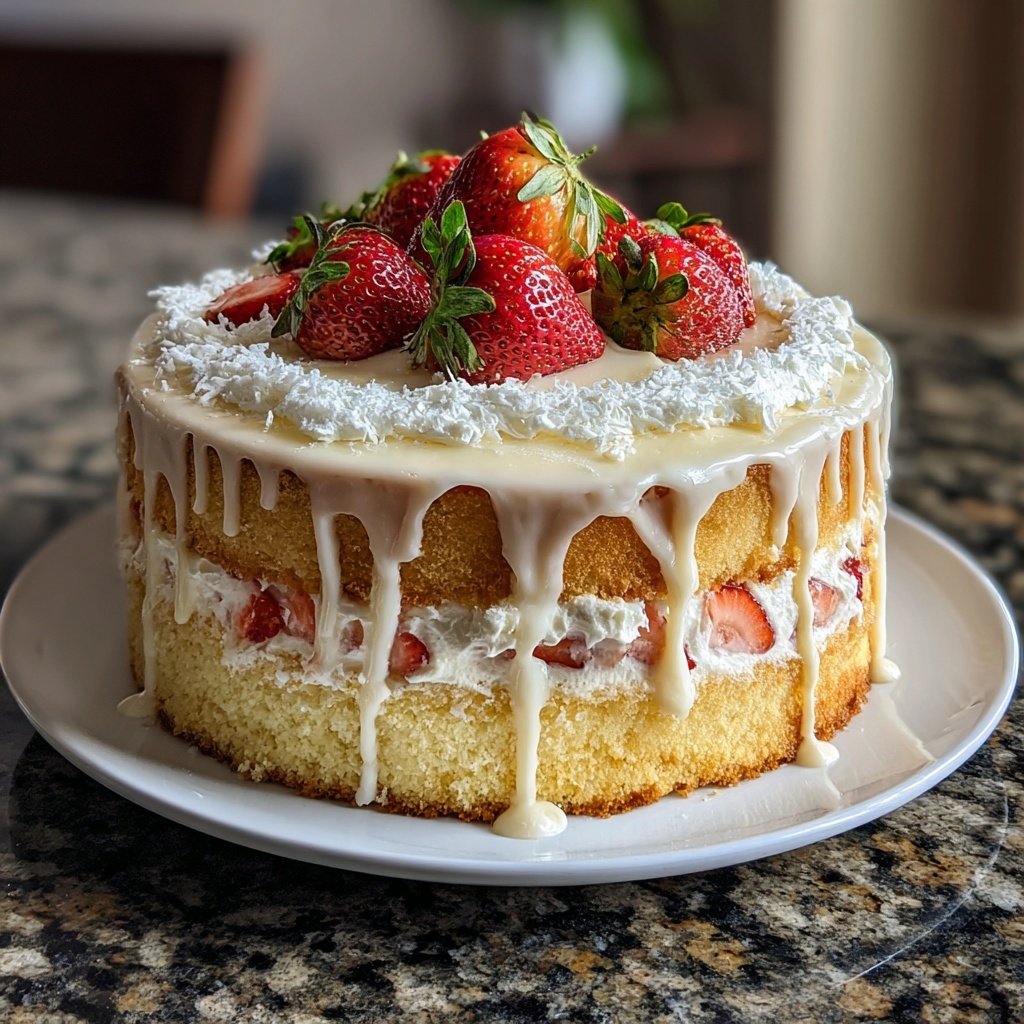
For a more decorative finish, consider leveling the tops of your cakes once they are cool. This ensures a flat surface for stacking and gives your cake a professional appearance. You can create a naked cake look by simply applying a thin layer of frosting to the outside, allowing the cake layers to peek through. This method works beautifully for showcasing the vibrant colors of fresh spring berries, making it both visually striking and delicious!
Ingredients
For the Cake
- 2 ¾ cups all-purpose flour
- 2 ½ tsp baking powder
- ½ tsp salt
- 1 cup unsalted butter, softened
- 2 cups granulated sugar
- 4 large eggs
- 1 tbsp vanilla extract
- 1 cup buttermilk
For the Frosting
- 1 cup unsalted butter, softened
- 4 cups powdered sugar
- 2 tbsp heavy cream
- 1 tsp vanilla extract
Instructions
Steps
Prepare the Cake Batter
Preheat your oven to 350°F (175°C). Grease and flour two 9-inch round cake pans. In a bowl, whisk together flour, baking powder, and salt. In a separate large bowl, cream the butter and sugar until light and fluffy. Beat in the eggs one at a time, then mix in the vanilla. Gradually add the flour mixture alternately with buttermilk, starting and ending with the flour.
Bake the Cakes
Divide the batter evenly between the prepared pans. Bake for 25-30 minutes or until a toothpick inserted into the center comes out clean. Allow the cakes to cool in the pans for 10 minutes, then transfer to wire racks to cool completely.
Make the Frosting
In a mixing bowl, beat the softened butter until creamy. Gradually add the powdered sugar, mixing on low speed. Pour in the heavy cream and vanilla, then beat on high speed until the frosting is fluffy.
Assemble the Cake
Once the cakes are completely cool, place one layer on a serving plate. Spread a layer of frosting on top, then place the second layer on top. Frost the top and sides of the cake with the remaining frosting. Decorate with fresh fruits if desired.
Pro Tips
- For an extra touch, consider adding lemon or orange zest to the batter for a refreshing citrus twist.
Storage Tips
To keep your Moist Spring Vanilla Layer Cake fresh, store it in an airtight container at room temperature for up to three days. If your kitchen is particularly warm, consider refrigerating it to prolong its shelf life. Just remember to allow the cake to come to room temperature before serving, as this enhances the texture and flavor. If you’d like to keep it longer, you can freeze the cake layers. Wrap them tightly in plastic wrap and foil, and they can last up to three months in the freezer.
When ready to enjoy your frozen cake, simply transfer it to the refrigerator overnight to thaw. For best results, frost the cake after it's thawed to maintain the ideal texture. You can also freeze individual slices wrapped in plastic, which makes for a quick and easy treat whenever you're in the mood for something sweet. Just pop them out and let them thaw on the counter for about 15-20 minutes before indulging.
Serving Suggestions
This cake pairs beautifully with a variety of toppings. Fresh spring berries like strawberries, raspberries, or blueberries not only enhance its appearance but also add a delightful tartness that balances the sweetness. A light dusting of powdered sugar on top can also serve as an elegant finishing touch. If you're hosting a gathering, consider serving this cake alongside a scoop of vanilla ice cream or a dollop of whipped cream for added indulgence.
For a flavorful twist, serve each slice with a drizzle of passion fruit or lemon curd. The acidity of these fruity toppings complements the soft vanilla cake perfectly, elevating the experience with contrasting flavors. If your cake has leftover pieces, don’t hesitate to turn them into a trifle! Layer cake pieces with custard, cream, and more fresh berries for a delightful dessert that showcases the cake and adds visual interest.
Questions About Recipes
→ Can I use a different type of flour?
Yes, you can substitute with cake flour for a lighter texture, but the measurements may vary.
→ How do I store the cake?
Store the cake covered at room temperature for up to 3 days, or in the refrigerator for up to a week.
→ Can I freeze the cake?
Absolutely! You can freeze the layers individually wrapped in plastic wrap for up to 2 months.
→ What can I add for flavor variations?
You can add almond extract or citrus zest to enhance the vanilla flavor or even mix in chocolate chips for a different twist.
Moist Spring Vanilla Layer Cake
Created by: Freya Cooper
Recipe Type: Indulgent Oven Treats
Skill Level: Intermediate
Final Quantity: 8 servings
What You'll Need
For the Cake
- 2 ¾ cups all-purpose flour
- 2 ½ tsp baking powder
- ½ tsp salt
- 1 cup unsalted butter, softened
- 2 cups granulated sugar
- 4 large eggs
- 1 tbsp vanilla extract
- 1 cup buttermilk
For the Frosting
- 1 cup unsalted butter, softened
- 4 cups powdered sugar
- 2 tbsp heavy cream
- 1 tsp vanilla extract
How-To Steps
Preheat your oven to 350°F (175°C). Grease and flour two 9-inch round cake pans. In a bowl, whisk together flour, baking powder, and salt. In a separate large bowl, cream the butter and sugar until light and fluffy. Beat in the eggs one at a time, then mix in the vanilla. Gradually add the flour mixture alternately with buttermilk, starting and ending with the flour.
Divide the batter evenly between the prepared pans. Bake for 25-30 minutes or until a toothpick inserted into the center comes out clean. Allow the cakes to cool in the pans for 10 minutes, then transfer to wire racks to cool completely.
In a mixing bowl, beat the softened butter until creamy. Gradually add the powdered sugar, mixing on low speed. Pour in the heavy cream and vanilla, then beat on high speed until the frosting is fluffy.
Once the cakes are completely cool, place one layer on a serving plate. Spread a layer of frosting on top, then place the second layer on top. Frost the top and sides of the cake with the remaining frosting. Decorate with fresh fruits if desired.
Extra Tips
- For an extra touch, consider adding lemon or orange zest to the batter for a refreshing citrus twist.
Nutritional Breakdown (Per Serving)
- Calories: 320 kcal
- Total Fat: 15g
- Saturated Fat: 9g
- Cholesterol: 60mg
- Sodium: 150mg
- Total Carbohydrates: 45g
- Dietary Fiber: 0g
- Sugars: 35g
- Protein: 3g